Understanding Electrical Distribution Boards in GCC Industrial Automation

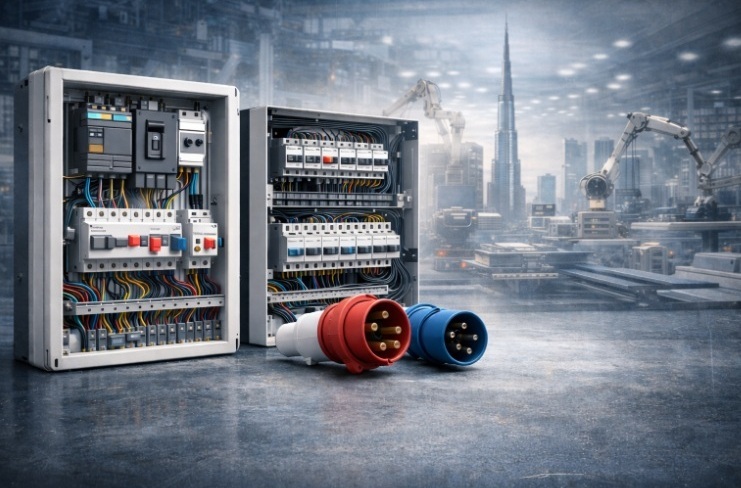
In the dynamic arena of GCC industrial projects, making the wrong selection in electrical distribution can lead to crippling downtime, severe penalties, and costly rework. In the fast-paced world of GCC industrial projects, where a single project delay, failed inspection, or persistent downtime can lead to significant financial losses, having a robust electrical distribution system is imperative for you and your projects. Electrical distribution boards are pivotal in optimizing the flow of electricity within your industrial automation and electrical systems. These boards are fundamental for ensuring efficient electricity distribution, and they are a primary focus for procurement managers, engineers, and contractors like you who seek to enhance performance through informed decisions. With the right selection of electrical distribution boards, you can gain decision clarity and supplier confidence, which are crucial for your project's success. With 15 years of serving industries such as oil & gas, manufacturing, and construction, we leverage extensive project experience at various scales to meet your unique needs. This guide explores key aspects of selecting the right electrical distribution board for optimal functionality and operational benefits in your projects.
Types of Electrical Distribution Boards
Understanding the types of electrical distribution boards available is essential for making informed procurement decisions for your project. The main types include:
- Main Distribution Boards (MDBs): When needing to efficiently distribute electricity throughout your facility, MDBs act as the primary hub. They ensure that power is optimally allocated to various sections of your industrial site.
- Sub-Distribution Boards (SDBs): SDBs address the issue of localized electricity distribution by branching from your MDBs to supply electricity to specific areas or categories of devices within your project. This ensures that different project areas function independently without overloading the main system.
- Final Distribution Boards (FDBs): Striving to deliver electricity directly to end-use appliances or systems, FDBs offer direct connectivity. This setup solves the problem of inefficient power delivery, causing direct power supply to essential operational devices.
Selecting the appropriate electrical distribution board for your project depends on several factors, including the nature of your facility, such as the requirement for an industrial electrical distribution board, and the specific electrical requirements you have. The right choice significantly influences cost-effectiveness, safety, and operational efficiency.
Standards for Electrical Distribution Boards
Adherence to local and international standards is critical when selecting electrical distribution boards for your project. Key standards include:
- IEC 61439: This standard pertains to low-voltage switchgear and control gear assemblies, ensuring safety and reliability for your distribution boards. Learn more about switchgear.
- BS EN 60439: Similar to IEC 61439, this standard governs design and manufacturing specifications, aligning closely with the commercial distribution board specifications you need to follow.
Selection Guide for Contractors
As a contractor in the UAE, you must select distribution boards that align with both your industrial automation needs and safety standards. Considerations include:
- Load Requirements: Understanding the power demands of your facility ensures the board can handle the load efficiently. To calculate the necessary load, use the formula: Load (in kW) = Voltage (in V) × Current (in A) / 1000. This helps in determining the appropriate board size and capacity for your specific needs.
- Safety Features: Modern electrical distribution boards offer enhanced safety for your projects through circuit breakers and surge protection. Explore more on MCCB and circuit breaker options.
- Space and Accessibility: Evaluate the physical space in which the electrical distribution board will be installed to ensure easy access for maintenance in your project.
Compliance Checklist Before Purchase
A quick checklist to verify compliance before purchasing an electrical distribution board:
- Certification: Ensure the electrical distribution board has the necessary certifications for your geographical and industrial requirements.
- Test Reports: Review the test reports to confirm adherence to safety and performance standards.
- Ratings: Verify the ratings align with your project’s load and safety requirements.
- Inspection Approval: Ensure all installations meet inspection requirements to avoid delays and penalties, enhancing buyer assurance.
- Insurance Impact: Confirm that the board's specifications are in line with insurance requirements to guarantee minimal project risk from an insurance perspective.
- Project Handover Impact: Choose an electrical distribution board that supports a seamless project handover by aligning with the final inspection and compliance expectations.
Environmental Considerations
When selecting electrical distribution boards, it is crucial to consider the environmental conditions they will be subjected to. Here are some examples where the environment can impact electrical distribution board choice:
- Dust-Heavy Factories: In environments with high levels of dust, like cement factories or flour mills, special enclosures may be required to protect electrical components from dust ingress, ensuring optimal functionality and durability.
- Outdoor Installations: Electrical distribution boards installed outdoors must be capable of withstanding climate variables. Weatherproof and UV-resistant enclosures are essential to protect against rain and sun exposure.
- Humid Environments: In sectors such as food processing or chemical industries, where high humidity levels are common, corrosion-resistant materials and components are necessary to ensure longevity and prevent short circuits or failures.
Distribution Board Selection Criteria by Application
Electrical distribution boards are equipped with crucial components, including Miniature Circuit Breakers (MCB) and Molded Case Circuit Breakers (MCCB). The quality of these components heavily influences the overall system's reliability. Choosing cheap, uncertified components can lead to frequent failures and higher maintenance costs, disrupting operations and incurring additional expenses over time. In contrast, investing in certified, high-quality components can significantly reduce the likelihood of failures, ensuring smoother operations and lower long-term costs.
- MCB vs MCCB Use-Case Summary: MCBs are typically used for low power devices while MCCBs are suited for higher power applications and provide adjustable trip settings, offering greater flexibility for your industrial projects. Discover more about components used in these systems.
Interpretation of the Table
The table provided outlines the different types of electrical distribution boards and their characteristics, helping you discern which board best suits your project's needs. Use it by assessing your facility's specific requirements against the types of boards listed. Consider factors such as the scale of distribution needed, the points of connection, and integration with other systems within your project. This evaluation process will guide you in making a decision that ensures both efficiency and safety, optimizing electrical flow while adhering to industry standards.
Conclusion
For procurement managers and contractors like you in the industrial automation sector in the UAE, urgency is key. Delays, compliance risks, and the cost impact of making the wrong choice underscore the importance of selecting the right electrical distribution board. Accelerate your procurement process by reaching out to certified suppliers for quick and reliable solutions. Gain access to a comprehensive range of certified products, enjoy expert support to ensure compliance and performance, and benefit from faster procurement that mitigates project risks. Choosing wisely from experts like AGEA ensures sustained success in this critical aspect of industrial projects.
For more information or to request a quote for your project, Contact an Expert today.
FAQ
-
What is an electrical distribution board and why is it important?
An electrical distribution board, also known as an industrial distribution board, is essential for distributing electricity efficiently throughout your facility. It serves as the central point for routing power to different sections of your industrial site, enhancing operational performance and safety.
-
How do I choose the right industrial distribution board for my project?
To choose the right industrial distribution board, consider factors such as the load requirements, safety features, and the specific environmental conditions of your project. Evaluating these aspects ensures the board meets your facility's needs and complies with safety standards.
-
What standards should my electrical distribution board comply with?
Your electrical distribution board should comply with standards like IEC 61439 and BS EN 60439, which ensure safety, reliability, and adherence to industry specifications for both low and commercial distribution board applications.
-
Where can I buy certified electrical distribution boards?
Certified electrical distribution boards can be purchased from reputable electrical equipment suppliers or manufacturers who adhere to international standards like IEC 61439. You can also contact local distributors in the UAE who specialize in providing industrial-grade electrical solutions tailored to your project needs.
About the Author

Related Posts